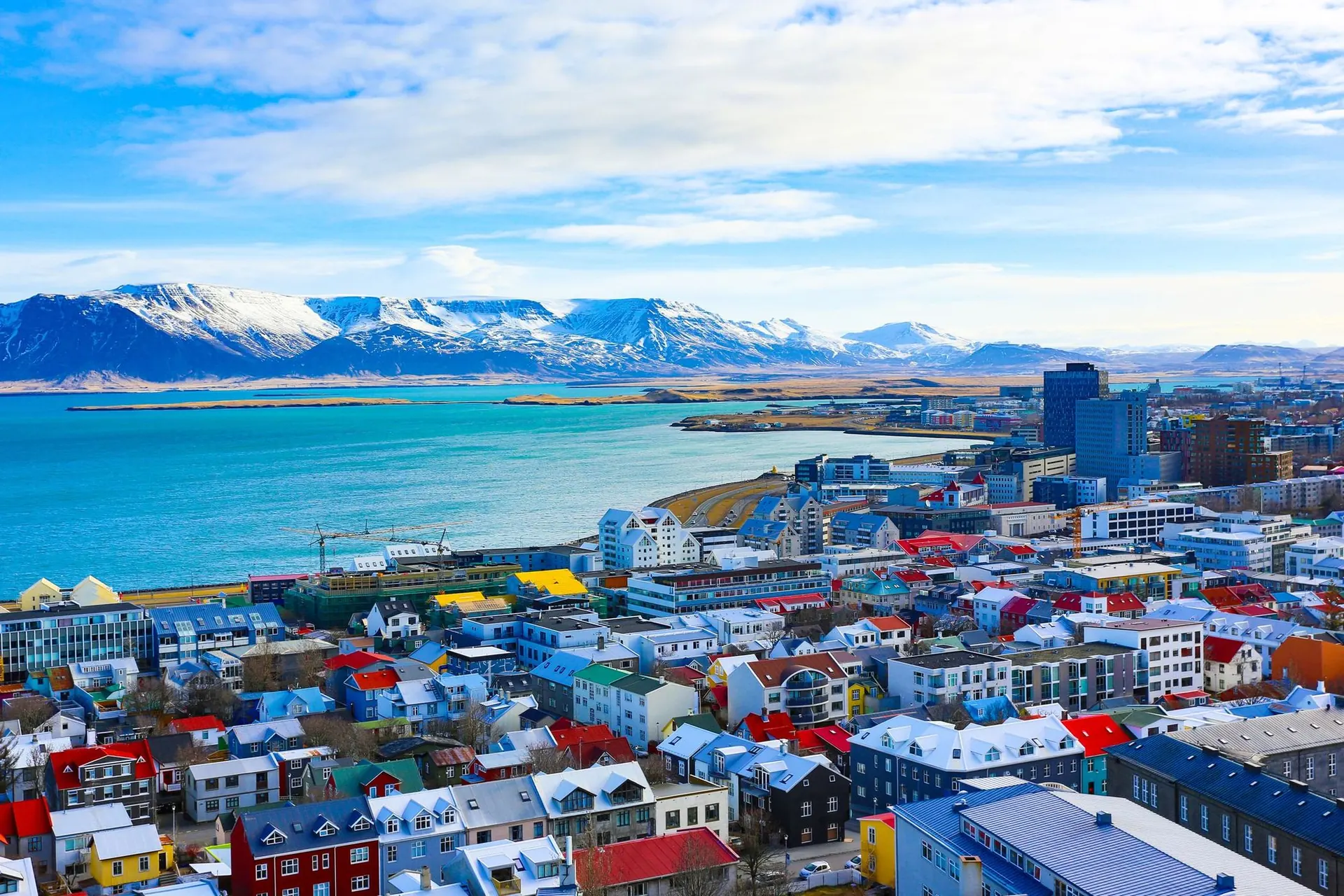
Reykjavík, Properly Introduced
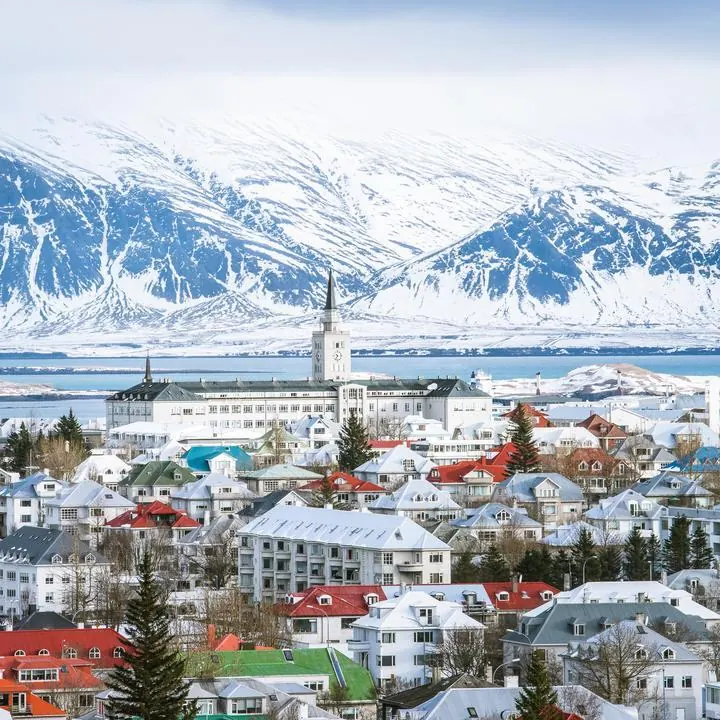
Most visitors treat Reykjavík as a launchpad — a night or two before the ring road, the glaciers, the lights. Fair enough. But the world's northernmost capital rewards a slower look: a city of 246,000 people wearing a name that means "Smoky Bay," heated almost entirely by the earth beneath it, and built around a handful of landmarks with better stories than most guidebooks let on. Here's the properly introduced version.
Why It's Called "Smoky Bay"
The name goes back to the year 874, when Ingólfur Arnarson — traditionally credited as Iceland's first permanent Norse settler — sailed into the bay and saw steam rising from the ground along the shore. He named the place Reykjavík: reykur for smoke, vík for bay. It wasn't smoke at all, of course, but geothermal vapor drifting up from hot springs — an accidental preview of the resource that would later heat almost the entire country. Today, roughly 90% of Icelandic buildings are warmed by geothermal water piped in from underground, Reykjavík's included, which is part of why the city runs on some of the cleanest energy of any capital on earth.
A Church Built Like a Lava Field
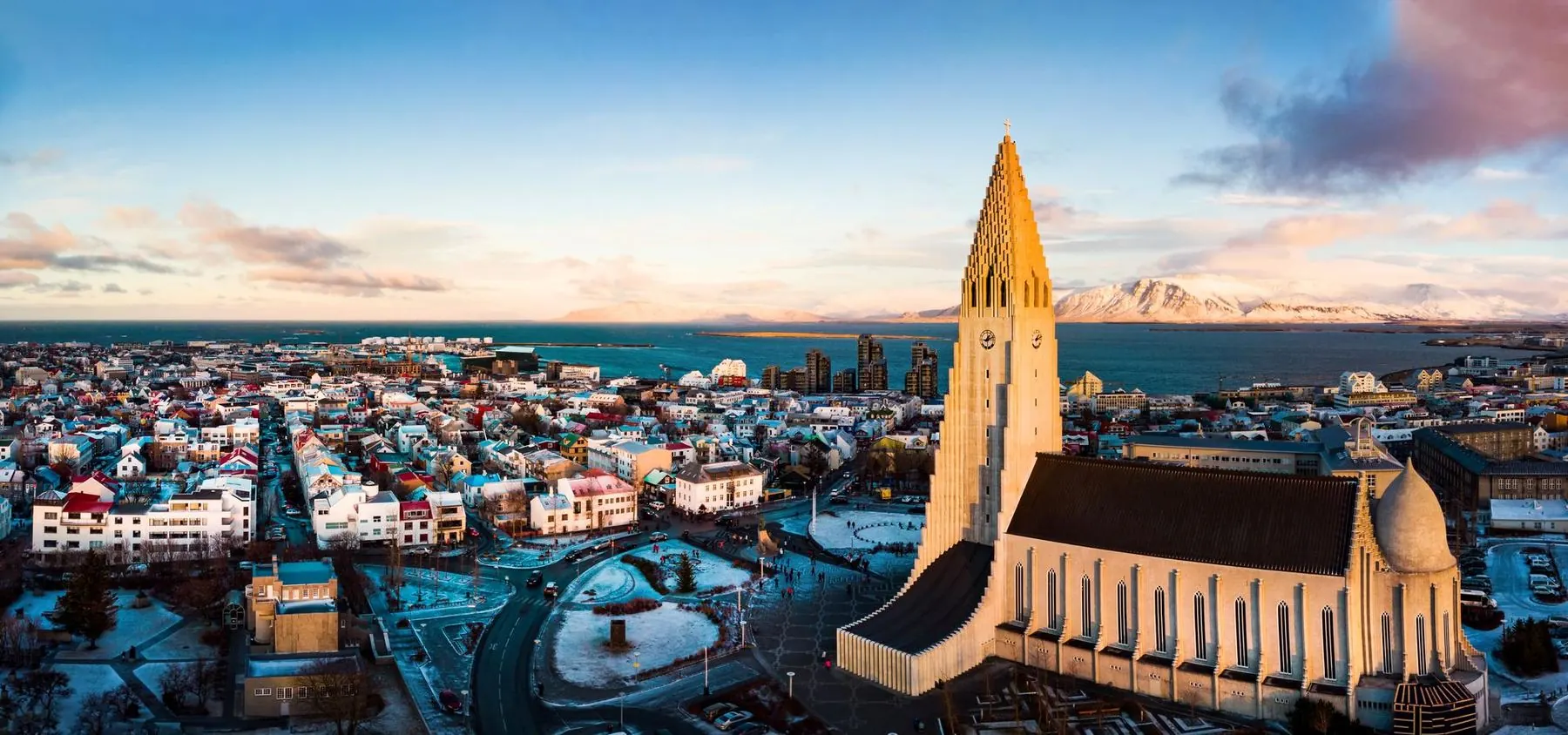
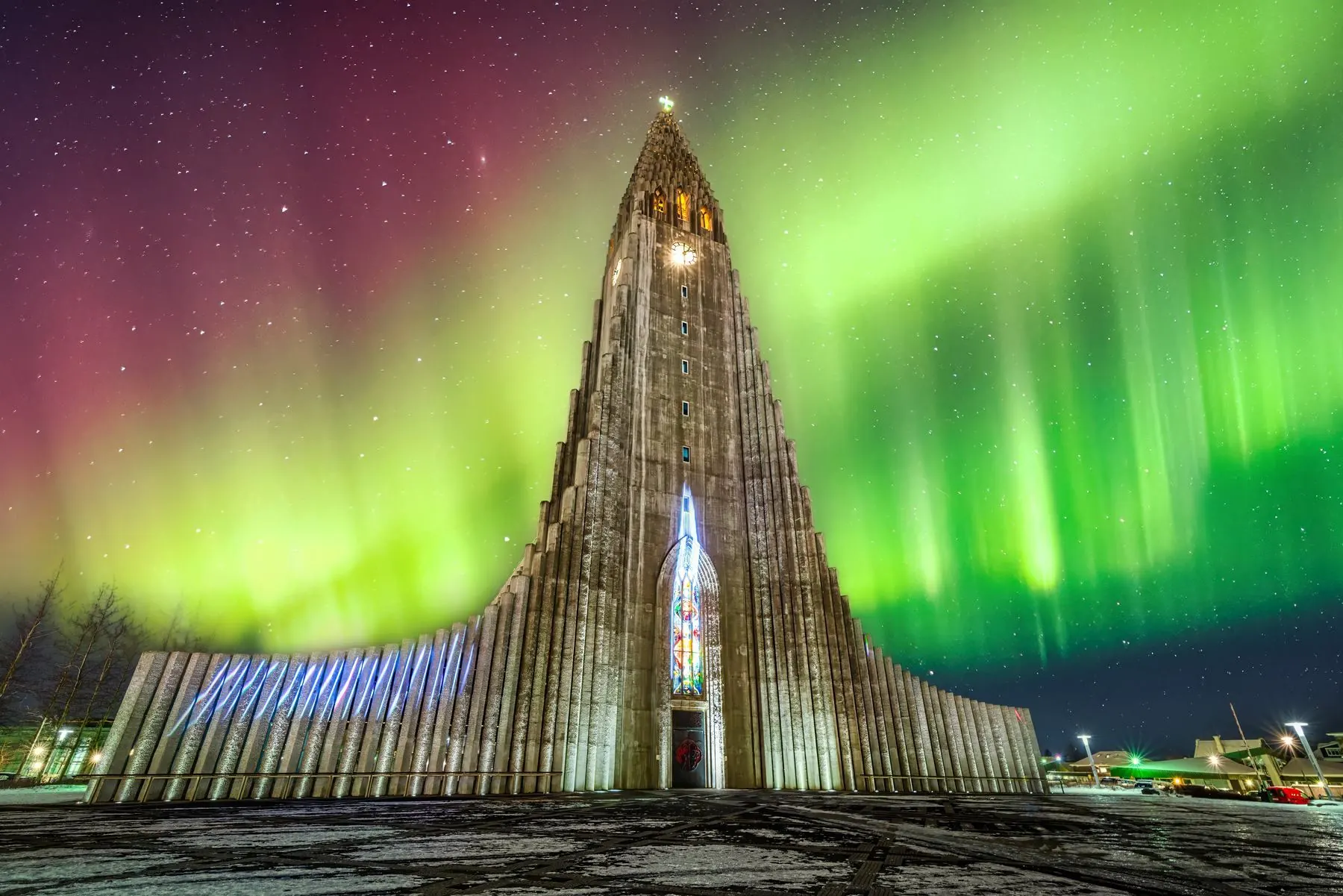
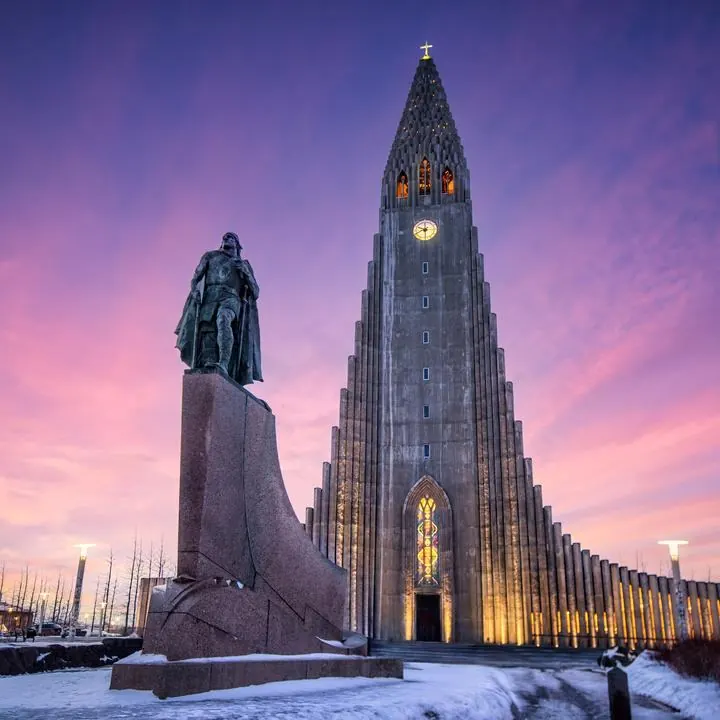
Hallgrímskirkja is the building every visitor photographs, usually without knowing why it looks the way it does. The architect, Guðjón Samúelsson, designed its rippling concrete facade to echo Iceland's basalt column formations — the same hexagonal rock columns you'll see at waterfalls like Svartifoss, stacked here into a 74.5-metre tower. It's an odd piece of trivia that construction took 41 years, starting in 1945 and finishing only in 1986, which means generations of Reykjavík children grew up watching the same church slowly rise over their skyline. Ride the lift to the top (it's open to visitors) and the reward is the best view in the city — every colorful roof, the harbor, and on a clear day, mountains across the bay.
The "Viking Ship" That Isn't One
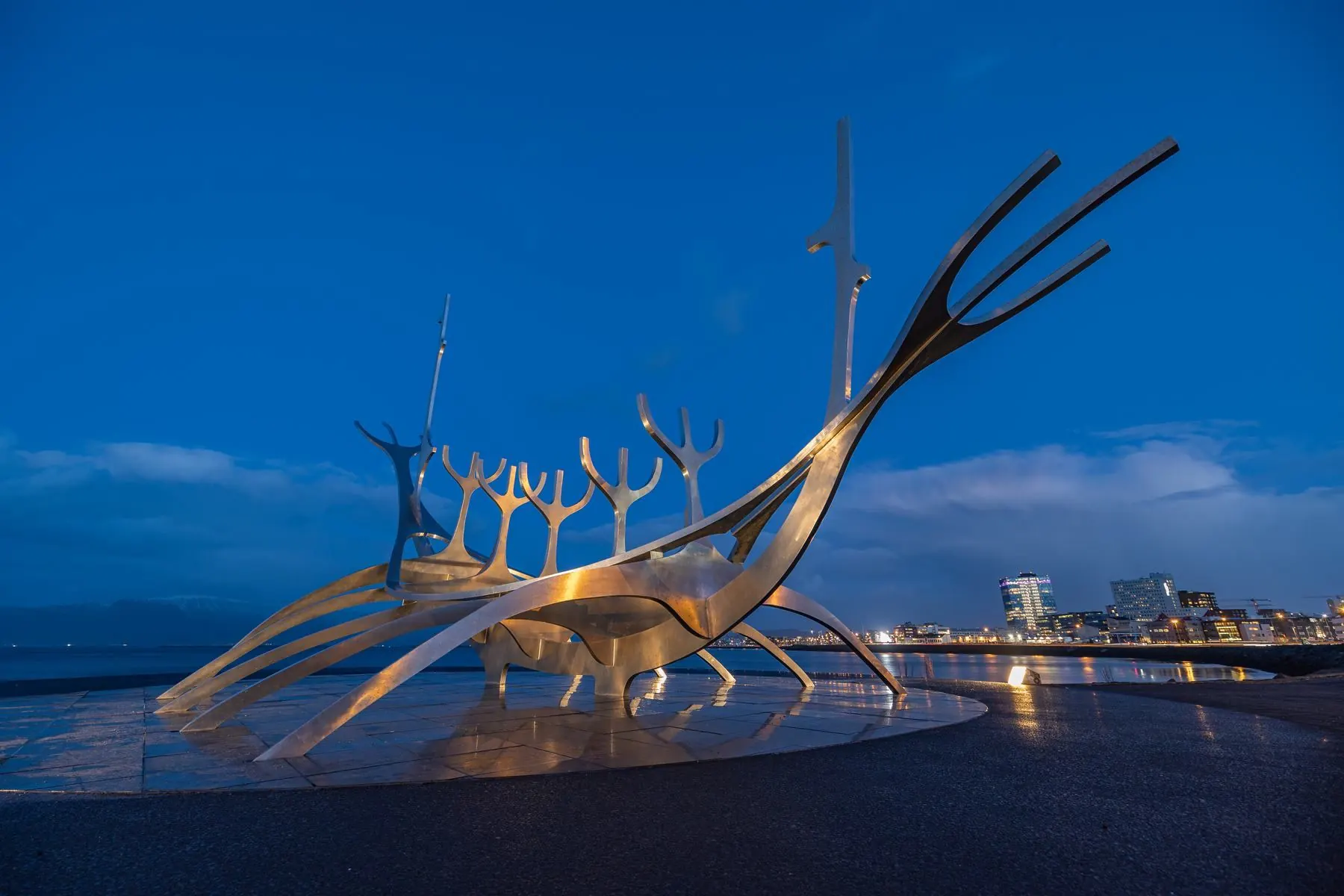
Down on the waterfront, most people assume the gleaming steel skeleton of Sólfar — the Sun Voyager — is a Viking longship. It isn't, and the artist was fairly insistent about that point. Jón Gunnar Árnason won the competition to design it for Reykjavík's 200th anniversary in 1986, and unveiled the finished sculpture in 1990. He described it not as a ship but as a "dreamboat," an ode to the sun and to the promise of undiscovered territory — hope, freedom, and the idea of setting out toward something better. It's easy to miss that meaning walking past at midday; it's much harder to miss at golden hour, when the frame lights up against the water.
Follow the Rainbow Uphill
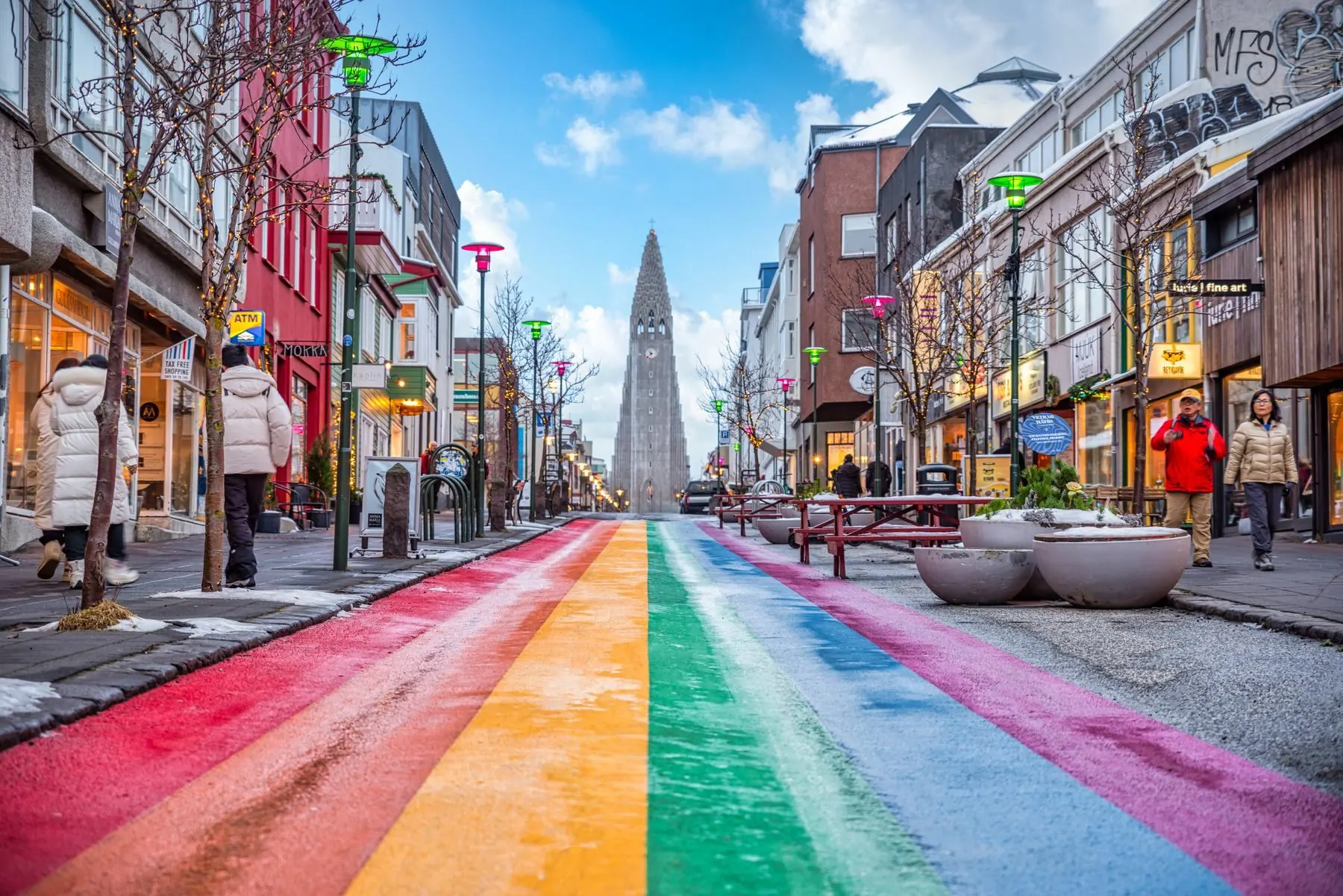
Between Laugavegur — the main shopping street, whose name translates loosely to "wash road," after the women who once carried laundry along it to the nearby hot springs — and the steps of Hallgrímskirkja runs Skólavörðustígur, painted floor to curb in the colors of the Pride flag. It's one of the most photographed stretches of pavement in the country, and also simply a very good street: small design studios, independent galleries, and coffee shops tucked between buildings with corrugated metal facades painted in every color Iceland allows itself.
Order It "With Everything"
The single most-eaten meal in Reykjavík isn't fine dining — it's a hot dog. Icelandic pylsur are made from a blend of lamb, beef and pork (the lamb is what sets them apart), and the closest thing the city has to a culinary institution is Bæjarins Beztu Pylsur, a stand that's been serving them near the harbor since 1937. Order the local way: "eina með öllu, takk"— one with everything, please — and you'll get a steamed bun loaded with remoulade, crispy fried onions, fresh onions, ketchup and Icelandic mustard. It costs a few dollars and tells you more about Reykjavík's relationship with excess and simplicity than almost anything else in the city.
"Smoky Bay" turned out to be the cleanest-running capital in the world — heated by the very steam that named it.
Small Facts Worth Knowing
- Northernmost capital on earth— of any sovereign nation, a title it's held since Icelandic independence in 1918.
- No Starbucks, ever— and the city's one McDonald's closed for good in 2009.
- Dogs were banned — for 60 years, from 1924 to 1984, over urban health concerns.
- A UNESCO City of Literature — since 2011, the first non-native English-speaking city to earn the title.
- Puffins are a 15-minute boat ride away — nesting on nearby islands from May through August.
- Alþingi, Iceland's parliament — founded in 930 AD, is the oldest still-functioning parliament in the world.
Before You Go
Downtown Reykjavík is genuinely walkable — most of what matters sits within about twenty minutes on foot of the church. Locals swim year-round, in every season and any weather, so a swimsuit under your layers is never a bad idea if a geothermal pool is nearby. Weather changes fast regardless of forecast, so dress for wind and a stray shower even under blue sky. And however you time your trip, the city trades one spectacle for another: the near-endless daylight of summer for the aurora-lit dark of winter — there's no wrong season, only a different one.
Gallery
Start Where the City Does
Every one of our tours begins with pickup right here in Reykjavík — the easiest way to see the rest of Iceland without losing a minute figuring out logistics.
Explore Our Tours →