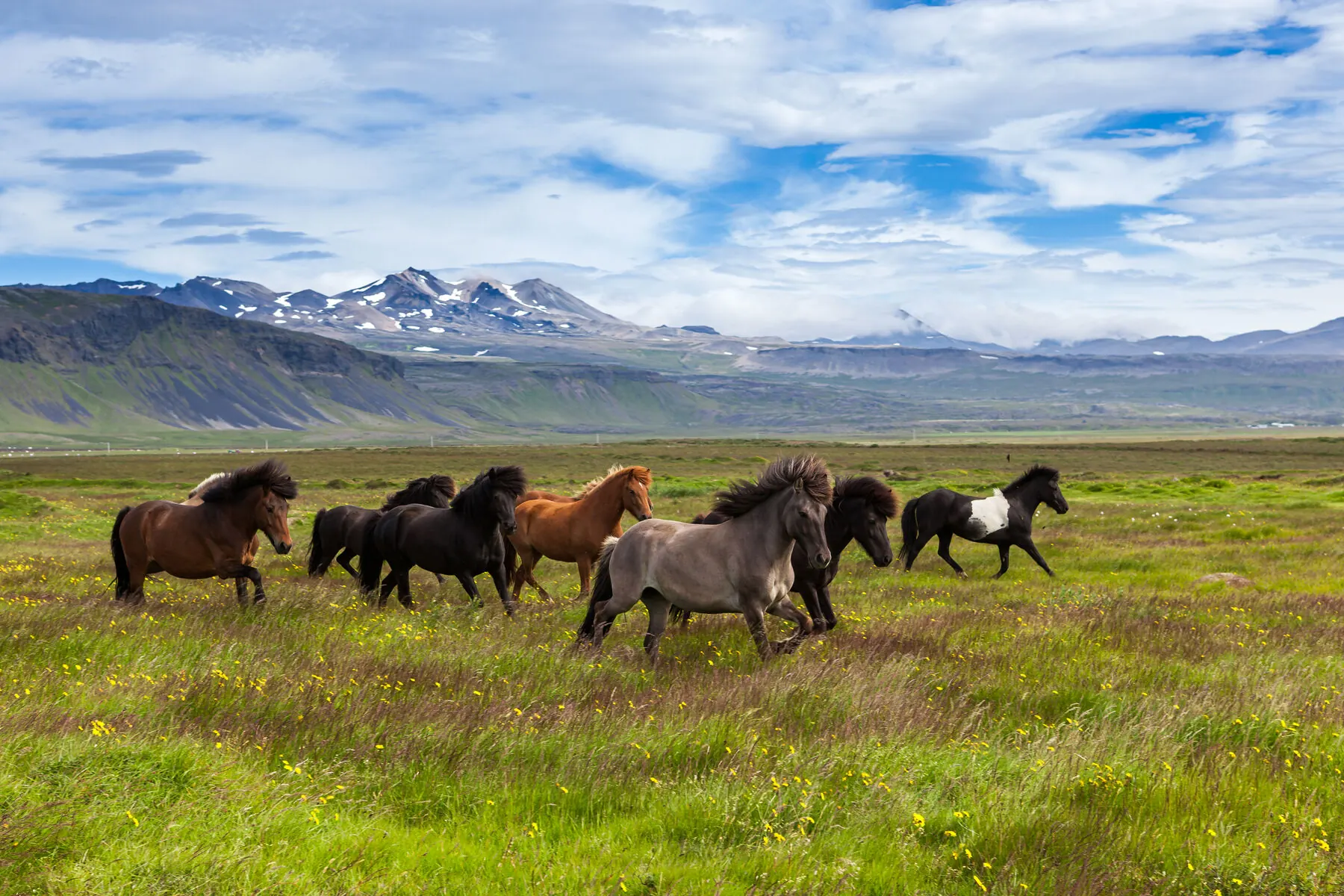
The Icelandic Horse: Small, Stubborn, and Secretly Superior
Say the word "pony" to an Icelandic horse and, at least in spirit, it will be personally offended. Short-legged, shaggy, and entirely unbothered by weather that would send most animals indoors, the Icelandic horse has spent over a thousand years evolving into something genuinely its own — a breed with two gaits no other horse on earth has, a law protecting its bloodline older than most countries, and a temperament so relaxed it will happily wander over to say hello to a stranger with a camera.
A Thousand-Year-Old Bloodline, By Law
Norse settlers brought the ancestors of today's Icelandic horses across the North Atlantic between 860 and 935 AD, choosing hardy, compact stock that could survive both the sea crossing and whatever the new island threw at them next. Not long after, in 982 AD, the Icelandic Alþingi passed a law banning the import of any horse onto the island — a rule that, remarkably, is still in force today. No new bloodlines have entered the population in over a thousand years, and once a horse leaves Iceland, it can never come back, to keep the breed free of diseases it has never had to build immunity against. The result is a horse that is, genetically speaking, almost exactly what it was when the Vikings arrived.
Horse, Not Pony — and Icelanders Will Tell You So
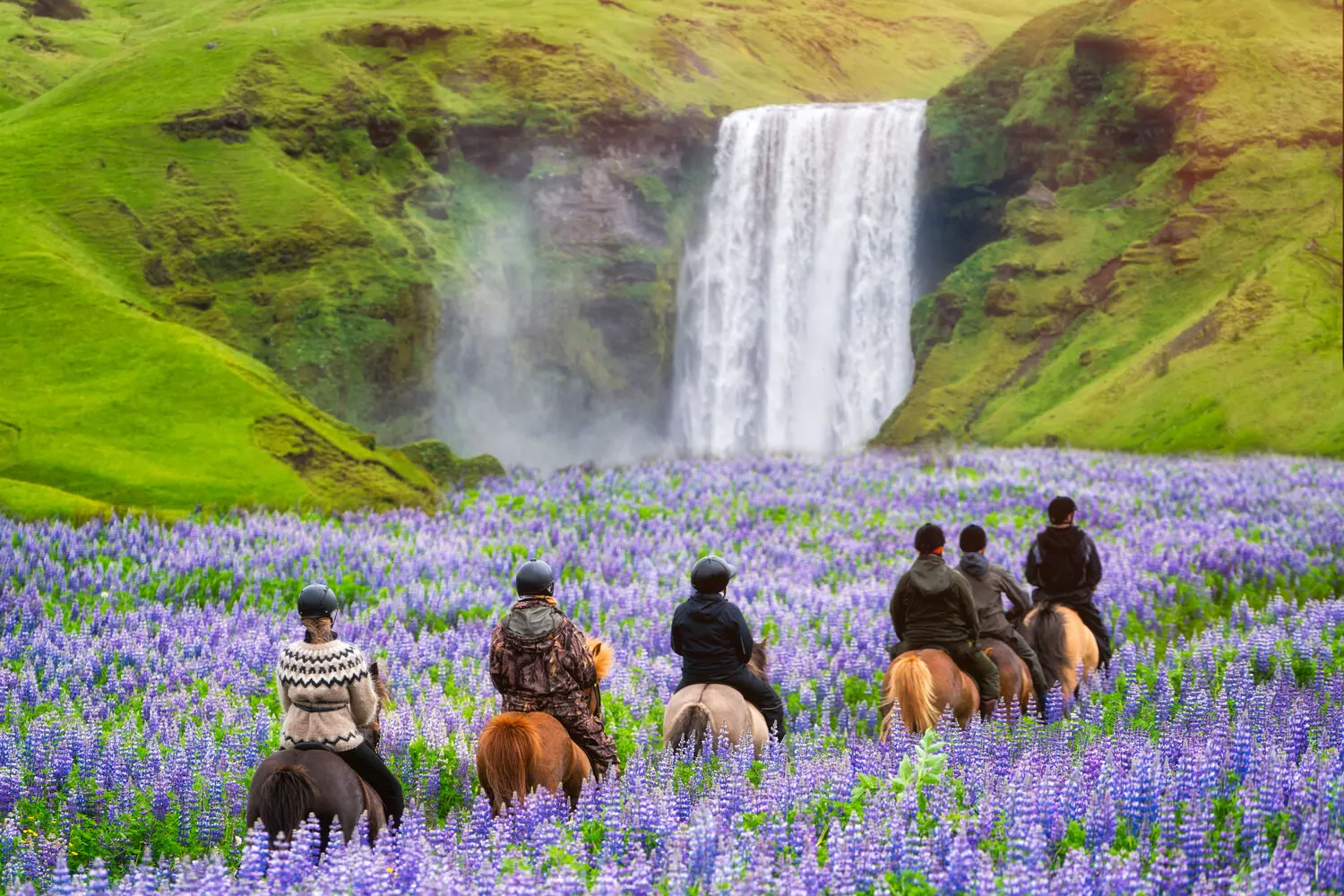
Standing around 13 to 14 hands — noticeably shorter than most riding horses — the Icelandic horse ticks every technical box for "pony." Icelanders simply don't use the word. The breed is strong enough to carry a full-grown adult over lava fields and rivers all day, and that combination of small stature and serious strength is exactly the point: don't let the size fool you.
The Only Breed With Five Gaits
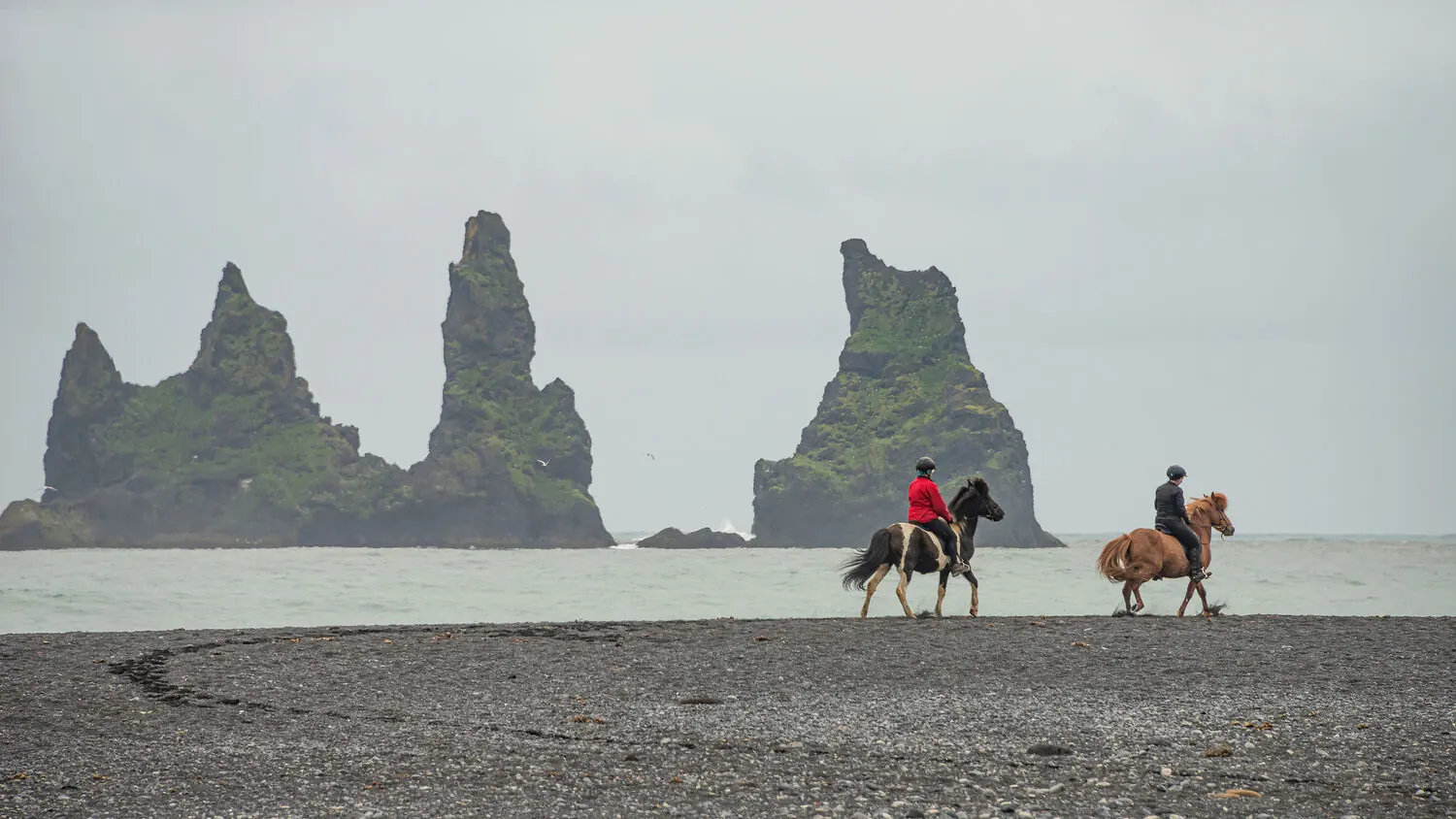
Every horse can walk, trot and canter. The Icelandic horse adds two more moves that almost no other breed naturally has. The first is the tölt, a smooth four-beat gait fast enough to cover ground quickly while staying so level that riders can hold a full drink without spilling it — a party trick Icelandic riders are happy to demonstrate on request. The second, rarer still, is skeið, the "flying pace" — a two-beat gait used for short, genuinely fast bursts, occasionally raced over straight tracks purely to see how quick a horse can go while looking, for a stride or two, almost like it's floating. Between the two, the Icelandic horse can offer a smoother ride over rough terrain than most breeds manage on flat ground.
Zero Predators, Zero Nerves
Iceland has no wolves, no big cats, nothing that has ever hunted a horse here — and it shows. Icelandic horses are famously unbothered by things that would spook most breeds, often walking straight up to fences to inspect visitors rather than bolting away. They're also remarkably long-lived; one Icelandic horse on record made it to 59 years old, roughly double what's typical elsewhere, and it isn't unusual for them to still be ridden well into their twenties. Add over 40 officially recognised coat colours and patterns — more variety than almost any other single breed — and you end up with an animal that looks a little different in every field you pass, and rarely acts nervous in any of them.
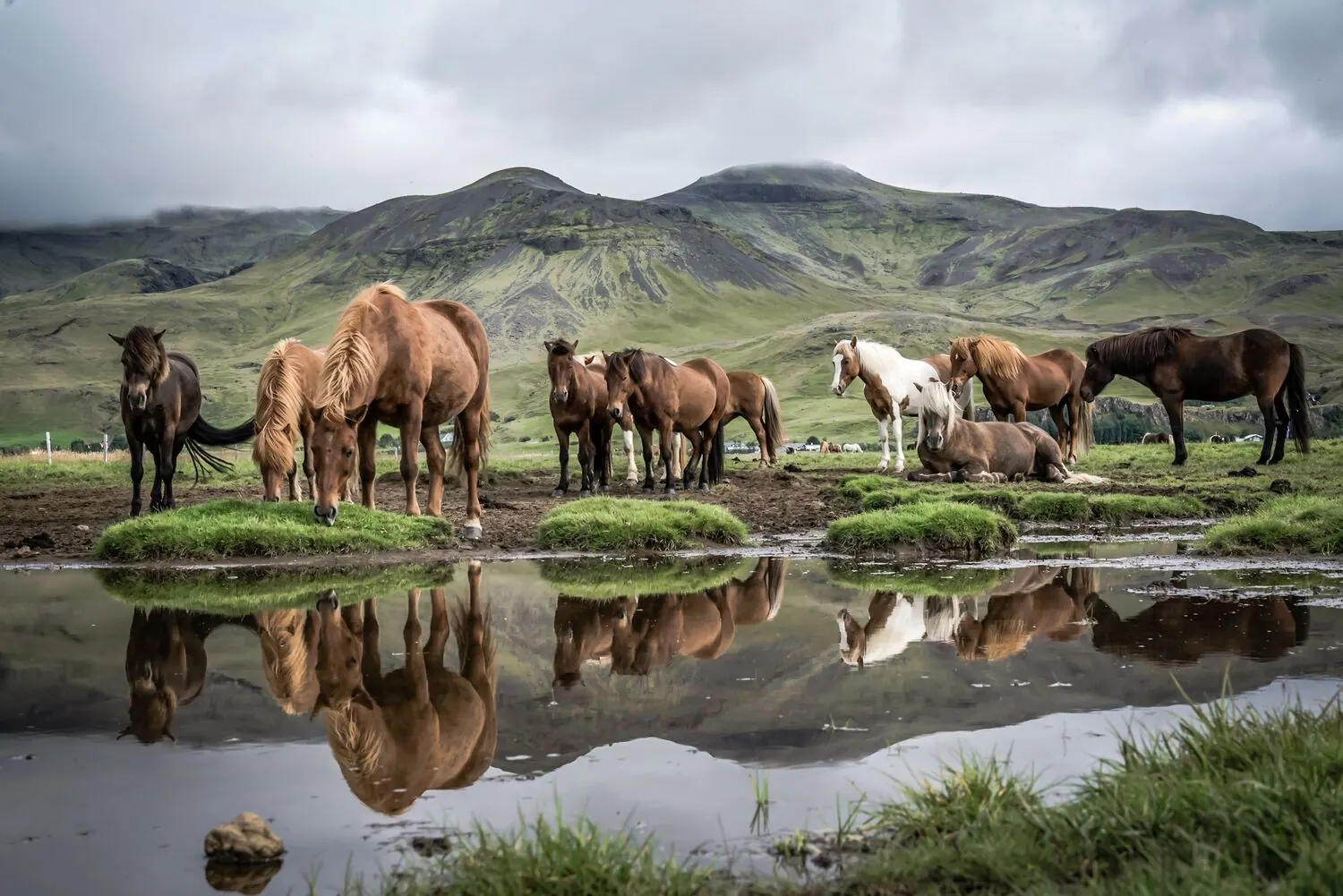
Don't call it a pony. It has a law protecting its bloodline older than most nations on earth.
Small Facts Worth Knowing
- Norse settlers brought them over between 860 and 935 AD — compact, hardy, and easy to fit on a longship, which is more than can be said for most horses.
- Importing any horse into Iceland has been illegal since 982 AD — one of the oldest livestock protection laws still in force anywhere, and the reason the breed has stayed pure for over a thousand years.
- It's the only horse breed with five natural gaits — walk, trot and canter like any horse, plus the four-beat tölt and the rare flying pace, skeið.
- It's a horse, not a pony — officially and firmly — despite standing around 13 to 14 hands, Icelanders are quick to correct anyone who says otherwise.
- It has no natural predators on the island — which is largely why it's famously calm and curious around people, rather than skittish.
- One is recorded to have lived to 59 years old — roughly double the typical lifespan of most horse breeds elsewhere.
- Once it leaves Iceland, it can never return — a permanent export rule, to protect the herd from any disease it has no immunity to.
- Over 40 recognised coat colours and patterns exist — more variety than almost any other single horse breed on record, visible in almost any field you pass.
Before You Go
Icelandic horses are grazed in open fields across the countryside, and most are genuinely friendly if you approach slowly and quietly — a handful of grass held flat on your palm is usually all it takes to make a new friend. If you want more than a roadside hello, short riding tours are widely available around Reykjavík and can be added to most South Coast or Golden Circle days.
See Icelandic Horses on Any of Our Countryside Tours
Fields of Icelandic horses line the routes on our Golden Circle and South Coast tours — ask your guide to stop for a closer look.
See the Golden Circle Tour →